Seasonal Considerations For Excavation In Ballina – Rain, Soil Moisture & Best Times To Hire
Seasonal weather plays a bigger role in excavation than many people realise. Heavy rain, shifting soil moisture and unpredictable weather patterns can change how a site behaves from week to week, affecting everything from stability to machine access. These seasonal shifts influence planning, timing and budgeting, especially when organising
excavator hire in Ballina for residential, commercial or civil work. Understanding how the environment affects excavation is one of the simplest ways to reduce delays, avoid unnecessary costs and ensure your project runs safely and smoothly.
How Ballina’s Wet Season Shapes Excavation Planning & Project Timelines
Excavation work becomes far more challenging during periods of consistent rainfall. Wet ground can soften quickly, leading to unstable surfaces that make it difficult for machines to operate effectively. Seasonal patterns influence the duration of projects and whether key stages can be completed on schedule. Planning with local weather conditions in mind becomes essential when working with soil that can transform from firm to waterlogged in just a few days.
Key wet season impacts include:
- Increased soil saturation that limits digging depth & slows trenching
- Delays caused by machinery sinking, slipping or struggling for traction
- Reduced access in areas where water pooling creates unsafe conditions
These challenges underscore the importance of flexibility in the planning stage. By anticipating seasonal delays and allowing extra time, you minimise disruptions and ensure the project remains safe for both operators and surrounding structures. Factoring in weather patterns early helps create realistic timelines, improving the overall flow of excavation work.
Why Soil Moisture Levels Determine When to Book Excavator Hire
Soil moisture plays a significant role in determining the effectiveness of excavation. Damp ground can be workable, but overly saturated soil behaves unpredictably. It can stick to machinery, collapse during digging or create uneven compaction that compromises the stability of future structures. This is why many project owners choose to observe seasonal moisture changes before hiring an excavator.
Important moisture considerations include:
- Soft, wet soil reducing digging precision & slowing down work
- Difficulty maintaining clean, stable trench walls when soil is loose or waterlogged
- Higher likelihood of compaction issues that affect drainage or foundation performance
Understanding the behaviour of moisture-rich soil makes it easier to choose the right time to book machinery. It also helps determine which excavator size or attachment is most suitable for the conditions. A well-timed hire leads to cleaner cuts, better compaction and a safer working environment overall.
Managing Access Issues on Waterlogged or Rain-Affected Sites
Access is one of the first areas affected by seasonal rain. Even short periods of wet weather can create slick, unstable or muddy ground that makes machinery movement difficult. Without adequate preparation, excavators may be unable to reach the site or risk damaging the surrounding environment.
Helpful access management strategies include:
- Using track mats or temporary ground stabilisation to support machine weight
- Implementing drainage solutions to reduce pooling & improve ground firmness
- Selecting an excavator size that suits the available access & soil conditions
Smooth access allows work to continue safely while protecting the condition of neighbouring areas. Proper preparation prevents machines from getting stuck or causing unintended damage. With the right planning, even rain-affected sites can remain workable, ensuring productivity stays on track.
Choosing the Right Excavator Type for Seasonal Ground Conditions
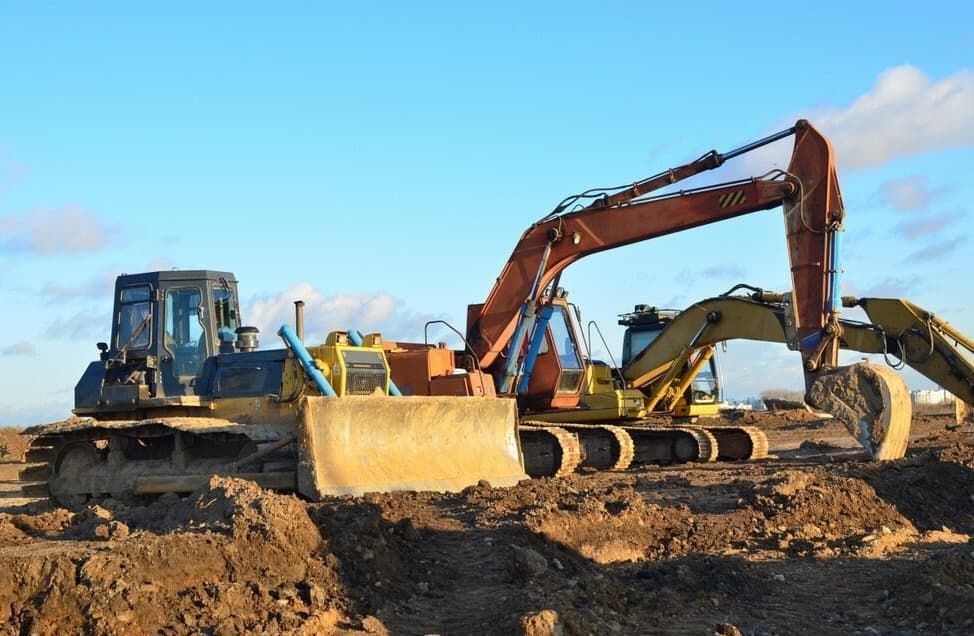
Seasonal changes influence which excavator type performs best. Soft ground, firm clay, sandy soil and mixed moisture levels all behave differently under pressure. Choosing the wrong machine can lead to extra time, difficulty manoeuvring or unnecessary wear. Selecting equipment tailored to specific conditions improves accuracy and site safety.
Excavator selection considerations include:
- Mini excavators for tight spaces or lighter tasks in moderately soft ground
- Track excavators offering better stability & traction on wet or uneven surfaces
- Attachments such as buckets or augers designed to cut through moisture-rich or dense soil
Matching machinery to the season ensures more efficient digging, cleaner results and steadier operation. Good equipment choice also reduces the risk of machinery damage when the ground is more challenging than usual. Making these adjustments helps projects move forward smoothly through seasonal fluctuations.
How Seasonal Weather Affects Earthmoving Efficiency & Project Costs
Weather patterns can influence not just how excavation is performed but how much it ultimately costs. Wet and humid conditions often slow machinery, increase fuel use and require more labour hours. Conversely, dry conditions typically allow projects to move along quickly and predictably, reducing delays and overall expenses.
Seasonal factors influencing cost include:
- Higher fuel consumption when machinery works harder in wet soil
- Increased labour hours due to slower digging & additional safety checks
- Extra site preparation or ground stabilisation required during wetter periods
Considering the seasonal impact on efficiency helps project owners plan more realistic budgets. Some choose to schedule major excavation during dry periods to minimise added costs, while others simply build in a contingency amount for seasonal challenges. Understanding these influences helps prevent unexpected surprises during earthmoving work.
Dry Season Advantages: Why Many Locals Prefer Winter Excavation Work
Dry conditions provide some of the most favourable working environments for excavation. With firmer ground, lower humidity, and fewer interruptions caused by rainfall, winter often becomes the preferred time for planning earthmoving projects. These conditions support more predictable progress, allowing machinery to operate with greater stability and control.
Dry season advantages include:
- Firmer soil structure that supports heavier machinery & reduces slippage
- Reduced likelihood of weather-related delays or access issues
- More accurate digging, shaping and compaction due to stable ground
Planning early for excavator hire in Ballina during these periods can help secure the right equipment when demand rises. Winter scheduling often leads to smoother workflows, fewer disruptions and a more efficient use of time and resources.
Wet Season Precautions Every Excavation Site Should Follow
Working during the wet season requires extra caution. Waterlogged soil, unstable slopes and limited visibility all contribute to hazards that must be carefully managed. With the right strategies, excavation can still proceed safely during wetter months, provided operators take the proper precautions.
Practical wet season safety measures include:
- Erosion control to manage runoff & protect site edges
- Regular sediment checks to prevent drainage blockages or slope failures
- Machinery inspections to ensure equipment remains safe when exposed to moisture
Adopting these precautions reduces risk and improves overall site stability. A well-prepared team understands how wet conditions influence movement, load limits and machine performance. This ensures excavation remains controlled and safe even when weather conditions are less predictable.
When to Call Local Experts to Assess Your Site Before Booking Excavator Hire
Seasonal challenges can make it difficult to know the best time to proceed with excavation. A professional assessment helps you understand the state of your site, identify risks and determine which machinery suits your project. Experienced operators understand how local soil types respond to various weather patterns, providing practical advice tailored to the unique conditions of the area.
A site assessment is valuable when:
- Soil conditions appear unstable or have repeatedly changed following rainfall
- You need to understand the best time of year for safe, efficient excavation
- You want guidance on choosing the right excavator for your site
Hiring local experts ensures your project begins with accurate information and realistic expectations. This leads to safer operations, improved efficiency and a smoother excavation process from start to finish.
Plan Your Excavation Project With Confidence
At Northstar Excavations, we recognise the impact of local weather and soil conditions on earthmoving operations. Ballina’s seasonal shifts create unique challenges, and our team offers practical advice, reliable machinery and expert support to help you plan the right timing for your project. Contact us today to arrange a site assessment or book excavator hire suited to your needs.