How Local Soil Conditions Affect Excavation in Ballina
Ballina’s position at the mouth of the Richmond River, surrounded by coastal floodplain, estuarine wetland and hinterland terrain, produces a soil profile unlike anywhere else in the Northern Rivers. For builders and developers working across this region, that variability isn’t background information — it’s a core project planning factor that determines machinery selection, excavation methodology, timeline and cost.
This guide covers what excavation contractors and project managers working in the Ballina area actually encounter in the ground, and how professional site assessment translates directly into better outcomes. If you’re scoping a project that requires excavator hire in Ballina, understanding the soil conditions across different parts of the region is a practical starting point.
Ballina’s Soil Landscape: A Region of Contrasts
The Ballina local government area sits at the meeting point of several distinct geological zones. The Richmond River delta and its surrounding floodplains are dominated by alluvial deposits that include soft clays, silts and organic material laid down over thousands of years. Coastal areas, particularly around East Ballina and the foreshore, carry beach sands and aeolian deposits that behave very differently from the heavier floodplain soils.
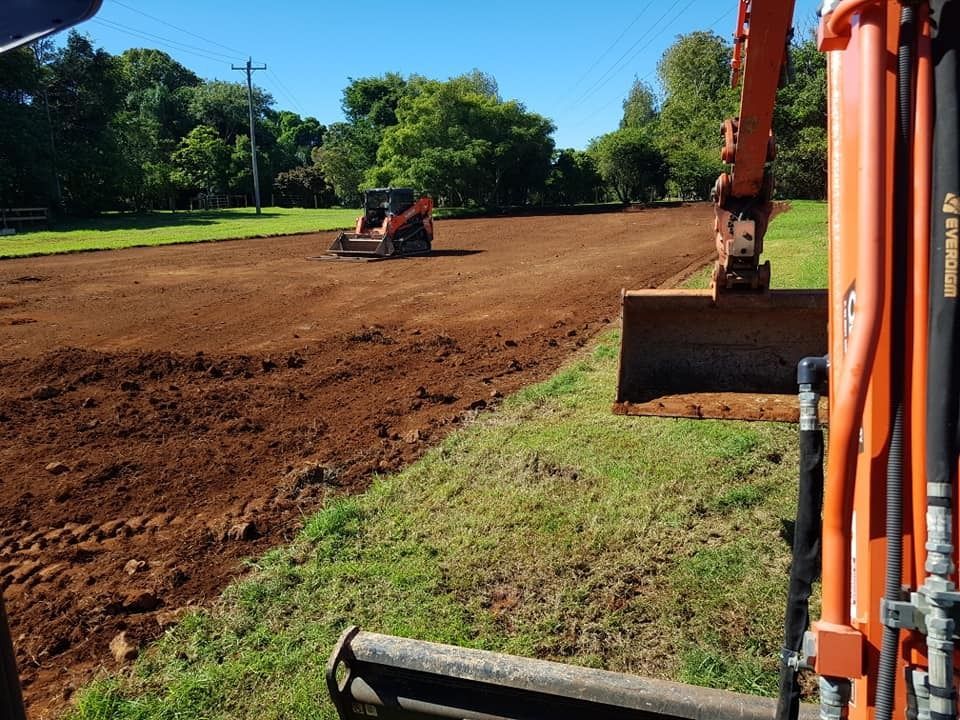
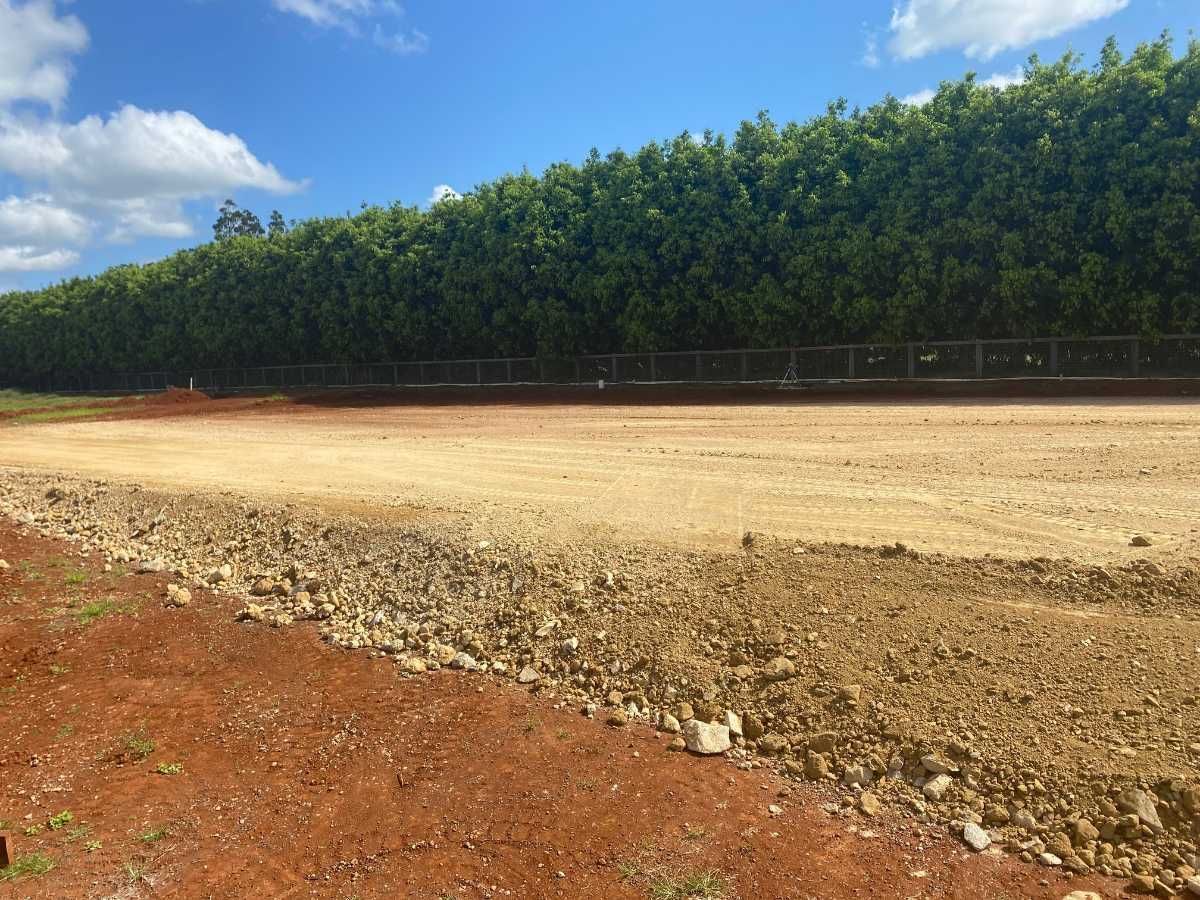
Move inland and the profile changes again, with basalt-derived soils introducing harder, more competent material. A site near the boundary between zones may contain more than one soil type within a single project footprint.
Soft Clays & Alluvial Soils: The Floodplain Challenge
The soft clays and alluvial deposits of Ballina’s river flats are among the most challenging excavation conditions in the Northern Rivers. High moisture content, low bearing capacity and significant compressibility mean that equipment operating on saturated alluvial ground creates disturbance beyond the immediate dig area, and maintaining excavation wall stability requires careful management.
Key project considerations when working in floodplain alluvial conditions:
- Ground conditions can change rapidly with rainfall, as these soils are highly sensitive to moisture variation. A site that was accessible at the start of a project may become problematic after a week of wet weather
- Excavation wall stability is a genuine concern in soft clays, particularly for trenches and deeper excavations where slumping or collapse risk increases with depth
- Low bearing capacity affects the type and weight of machinery that can operate safely without sinking into the ground surface or causing unintended ground displacement
- Dewatering may be required to manage groundwater that flows into open excavations in these permeable, near-saturated deposits
Acid Sulfate Soils: A Specific Risk Across Much of Ballina
Acid sulfate soils (ASS) are one of the most significant management issues for excavation in Ballina. These soils contain iron sulfides that produce sulfuric acid when exposed to oxygen through excavation or drainage works. Consequences range from waterway contamination to structural damage to concrete and steel infrastructure.
Ballina is largely within the Richmond River coastal floodplain, classified as one of the highest-risk ASS areas in New South Wales. Earthworks here are subject to ASS Management Planning requirements under the NSW Coastal Management Framework.
How Acid Sulfate Soil Conditions Affect Excavation Work
Working in potential ASS zones requires a different approach to standard earthmoving. The management plan attached to a development approval specifies how excavated material must be handled, tested and treated or disposed of. Project planning implications include:
- Excavated material cannot simply be stockpiled or redistributed on site without testing to confirm its ASS status and, where necessary, treating it with lime or other approved agents
- Dewatering of excavations in ASS zones must be managed carefully, as groundwater that has been acidified by exposed sulfides cannot be discharged to waterways without treatment
- The depth of excavation is a relevant factor, as sulfide-containing layers are often found at relatively shallow depths in Ballina’s floodplain areas
- Timing of works relative to tidal and rainfall cycles can affect both the management obligation and the cost of compliance
Builders and developers who are not familiar with ASS requirements in the Ballina context are well-served by engaging an excavation contractor with direct local experience, who can identify conditions in the field and work within the parameters of the management plan.
Sandy Coastal Soils: Different Problems, Different Solutions
The sandy soils around East Ballina, Shaws Bay and the beachfront are free-draining, which removes waterlogging issues but introduces different instability problems. Unsupported sandy soil is highly susceptible to collapse under surcharge loading or vibration, and excavation walls in clean sand require shoring or battering at much lower depths than in cohesive clay.
Trench excavations in these areas require careful attention to wall stability throughout. The free-draining nature of sandy soils also means that any fuel or hydraulic fluid contamination is potentially mobile and can spread more readily than in clay-dominant ground.
Basalt & Harder Soils in the Hinterland Fringe
Not all of Ballina's municipality sits on soft coastal material. Basalt-derived soils from the Lismore and Alstonville plateaux extend toward the western fringes, and development around Cumbalum, Wollongbar and toward the Lennox Head hinterland encounters progressively harder soil profiles.
Basalt-derived material can be extremely hard, requiring higher-specification machinery and potentially rock-breaking rather than standard bucket work. A project scoped for standard earthmoving that encounters basalt at depth may need to revise both machinery configuration and timeline.
Machinery Selection & Soil Conditions: Why It Matters
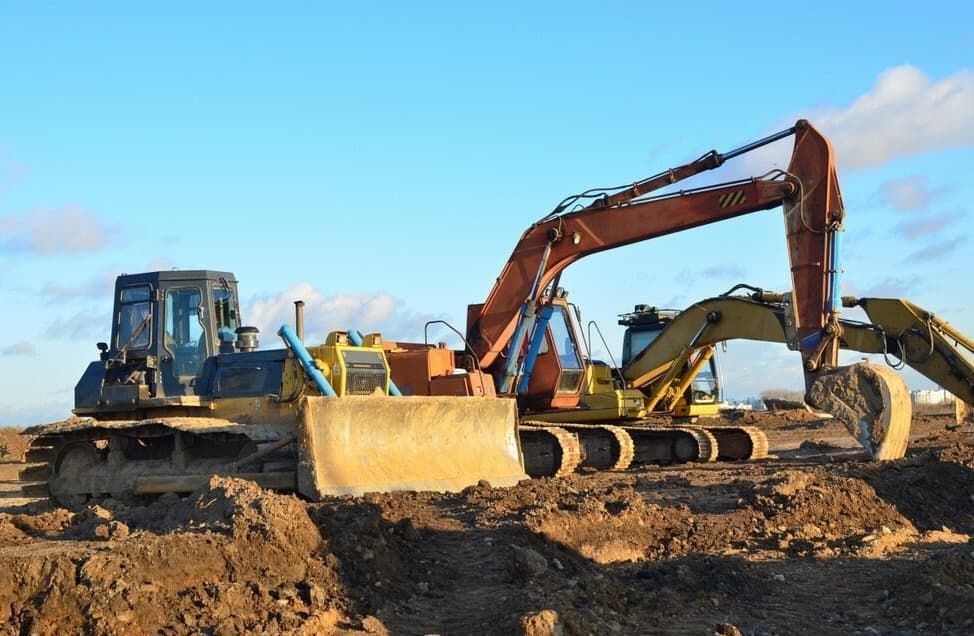
Soil profile directly determines which excavator size, configuration and attachment is appropriate. Deploying the wrong machine creates safety risks, increases cycle times and can cause ground damage that compounds through the project.
Machinery selection considerations in Ballina’s variable soil conditions:
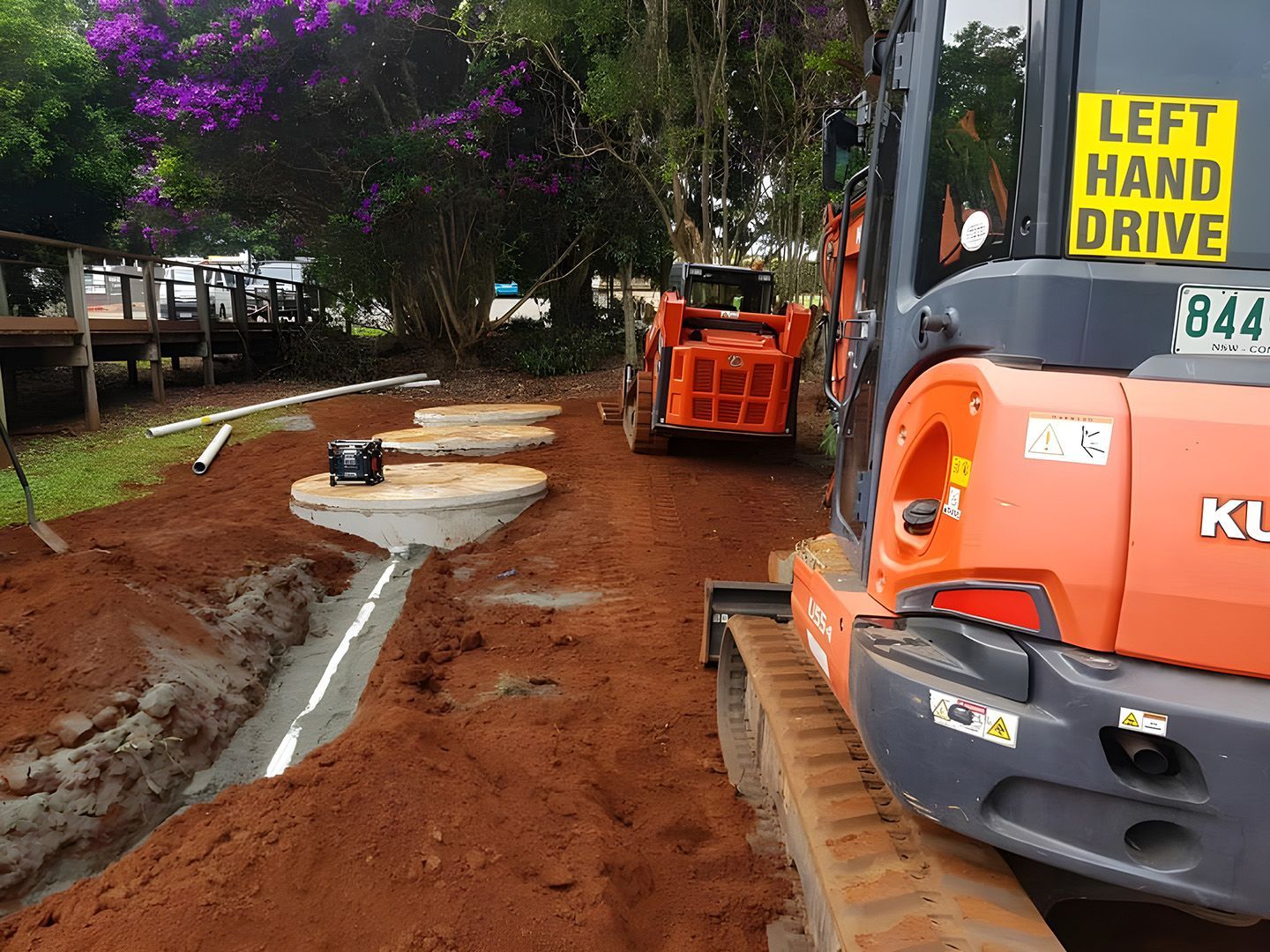
- Machine weight and ground bearing pressure: on soft alluvial or saturated clay sites, a heavy excavator creates problematic ground displacement. Low ground pressure machines, rubber tracks or timber matting may be required to maintain safe access and protect the ground surface
- Bucket type and configuration: standard digging buckets designed for cohesive soil work differently in clean sand or hard basalt. Specialised buckets, auger attachments and rock-breaking hammers each have their application depending on what’s in the ground
- Slewing and reach requirements: working adjacent to soft or unstable ground requires understanding the operational envelope of the machine to avoid inducing instability in nearby soil
Why Site Assessment Before Mobilisation Prevents Costly Surprises
Soil variability across Ballina's terrain means that assumptions based on general regional knowledge are an unreliable basis for project planning. Two sites a kilometre apart can have fundamentally different profiles, and proceeding without a site-specific assessment carries the risk of encountering conditions that require mid-project methodology changes.
A pre-mobilisation assessment by an experienced local contractor can identify the likely soil profile, flag any ASS obligations, determine appropriate machinery and confirm whether geotechnical input is required. This investment at the front end consistently reduces costly scope changes and timeline extensions once work is underway.
Excavator Hire in Ballina: North Star Excavations
North Star Excavations provides excavator hire and earthmoving services in Ballina with a team that works across the region’s varied soil conditions daily. From coastal sand and floodplain clay to hinterland hardpan, our operators understand what the ground in the Ballina area actually looks like and how to work within it safely and efficiently.
Get in touch to discuss your project requirements, arrange a site assessment and confirm the right machinery and methodology for your specific conditions.