Bulk Earthworks For Large-Scale Developments Explained
Before anything is built, the ground has to be right. On large-scale developments, that process starts well before slabs, services or structures come into play. Bulk earthworks shape the site, define levels and set the conditions for everything that follows.
At a glance, it can look like a simple movement of soil. In reality, it’s a coordinated process that balances site conditions, machinery, timelines and long-term outcomes. Small decisions early on can affect how smoothly the rest of the project runs.
For builders and project managers, understanding how bulk earthworks work helps with planning, budgeting and sequencing. It also helps avoid delays that come from rework or poor site preparation.
This is where experience on the ground matters. The way a site is approached, not just the plan on paper, often determines how efficiently the project moves forward. For projects requiring excavator hire in Ballina, having the right equipment and operators in place early can make a noticeable difference to how smoothly work progresses.
What Bulk Earthworks Actually Involve on a Large Site
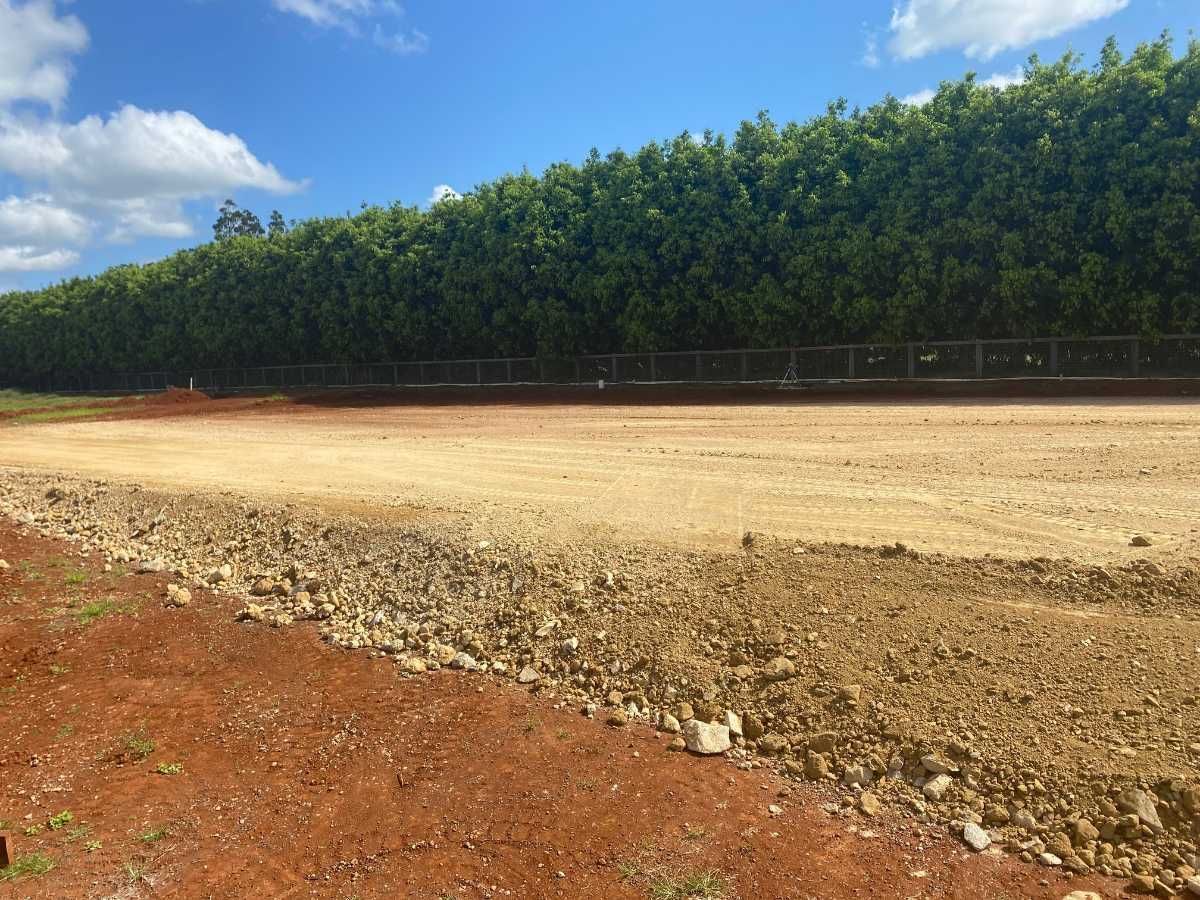
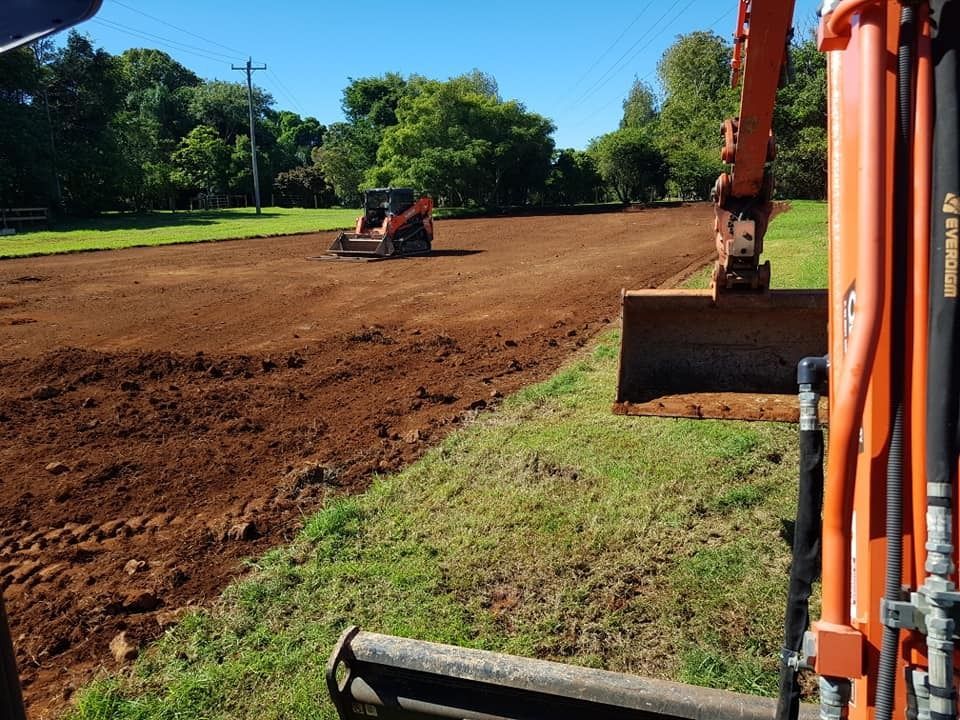
Bulk earthworks cover the initial reshaping of a site to make it suitable for construction. This involves moving significant volumes of material, adjusting levels and preparing the ground for infrastructure. It’s not just about clearing land, it’s about creating a stable and workable base for what comes next. On larger projects, this stage sets the pace for everything that follows.
- Site clearing and preparation
- Cut and fill operations
- Moving large volumes of soil
- Establishing consistent site levels
- Preparing for roads and building pads
Getting this stage right helps avoid downstream issues. It creates a controlled starting point for all other trades on site.
Site Conditions Dictate the Approach, Not the Plan on Paper
Every site behaves differently once work begins. Soil conditions, moisture levels and existing features can all affect how the work is carried out. Plans provide a framework, but real conditions often require adjustments. Understanding how to read a site as it changes is a key part of effective earthworks.
- Variations in soil composition
- Hidden obstacles below ground
- Drainage behaviour across the site
- Slope and terrain differences
- Access constraints for machinery
Adapting to these conditions keeps the project moving. It also reduces the risk of delays caused by unexpected ground behaviour.
Machinery Selection Matters More Than Most People Realise
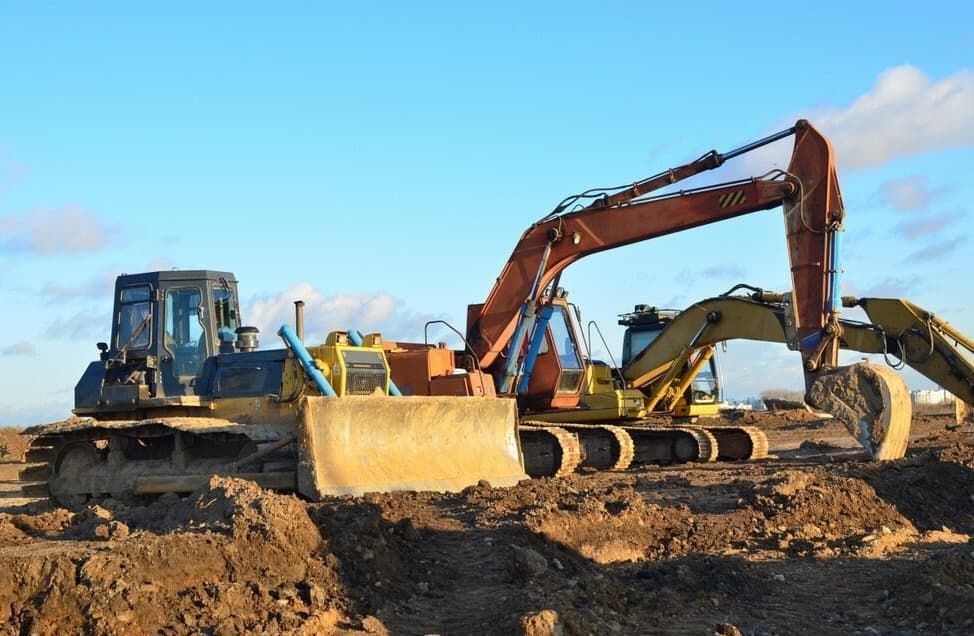
The type and size of machinery used on a project directly affect efficiency. Different stages of bulk earthworks require different equipment, and matching the right machines to the task helps maintain progress. Oversized or undersized equipment can slow the job down or increase costs unnecessarily.
- Excavators for bulk excavation
- Loaders for moving material
- Graders for shaping surfaces
- Haul trucks for site transport
- Equipment matched to project scale
Well-planned machinery use keeps work consistent. Excavator hire in Ballina also helps manage timeframes more effectively across large sites.
Timelines Are Driven by Ground Movement, Not Just Scheduling
Earthworks timelines aren’t fixed in the same way as later construction stages. They depend on how quickly material can be moved and how the ground responds during the process. Weather, soil stability and volume all play a role. This means timelines need to remain flexible.
- Volume of material to be moved
- Weather conditions affecting progress
- Stability of the ground during works
- Coordination with other trades
- Staging work across large areas
Understanding these factors helps set realistic expectations. It also allows for better coordination across the broader project.
Drainage and Water Flow Need to Be Managed From the Start
Water management is a critical part of bulk earthworks. Poor drainage can affect stability, slow down work and create long-term issues for the finished site. Managing water flow early helps control how the ground behaves during and after works.
- Natural water flow patterns
- Temporary drainage during construction
- Preventing erosion and pooling
- Preparing for permanent systems
- Protecting site stability
Addressing drainage early supports long-term performance. It also helps keep the site workable throughout the project.
Access and Haul Routes Shape How the Site Is Worked
Large sites require careful planning around movement. Machinery needs clear access points, and material has to be transported efficiently across the site. Without this, even well-planned work can slow down due to congestion or restricted access.
- Defined entry and exit points
- Internal haul roads
- Safe movement of machinery
- Efficient material transport
- Minimising disruption across the site
Good access planning supports steady progress. It also improves safety and coordination between different activities.
Why Bulk Earthworks Need to Be Done Once, Done Properly
Reworking bulk earthworks can be costly and time-consuming. Moving material more than once, correcting levels or addressing compaction issues can delay the entire project. Getting it right from the beginning reduces these risks and supports a smoother build process.
- Avoiding double handling of material
- Maintaining correct levels
- Preventing compaction issues
- Reducing delays for following trades
- Supporting long-term stability
Taking a considered approach early on helps avoid unnecessary setbacks. It also protects the overall timeline of the project.
Where Excavator Hire Fits Into Large-Scale Projects
Excavator hire plays a role in managing workload and scaling operations across a project. Different phases may require different equipment, and having access to the right machinery at the right time supports efficiency. This is particularly useful on larger sites where demand can shift quickly.
- Matching equipment to each stage
- Supporting peak workload periods
- Providing flexibility for contractors
- Short-term and long-term hire options
- Maintaining consistent progress
For projects requiring excavator hire in Ballina, having the right setup in place helps keep work moving without unnecessary delays.
Keep Your Project Moving From the Ground Up
Here at Northstar Excavations, we work with builders and project managers to deliver bulk earthworks that support efficient, large-scale developments. From initial site preparation through to final levels, the focus stays on getting the ground right so the rest of the project can move forward without disruption.
If you’re planning works and need support with bulk earthworks or
excavator hire in Ballina,
get in touch with our team to discuss your project and the best way to approach your site.